
Conservative Catholics: Society of Saint Pius X
A Reflective Essay by George Klima, Victoria, BC
Volume 41 Issue 7, 8, & 9 | Posted: October 5, 2026
I recall how relieved I was when the Vatican II documents were released. I felt relief from the smug elitism that denied my Protestant friends the dignity of their faith. I was freed from the rote recitals of Latin prayers. I was optimistic that the Church would become a more welcoming place, as I had appreciated from Fr. Hill at St Pat’s.
Subsequently I was disappointed, and so I moved away from the Church. However, more recently I have been hugely encouraged by the actions of the late Pope Francis and now, of Pope Leo XIV. The Church is still a force for good.
In this opinion piece I speculate about the validity of two key concerns held by some conservative Roman Catholics.
We’ve heard about the group excommunications of the Society for Saint Pius X (SSPX) members over the unauthorized investiture of four bishops on July 1, 1988 in Écône Switzerland. Since its founding in 1970, SSPX has had a sometimes-rocky relationship with the Vatican. SSPX has now grown to an estimated 100,000–200,000 adherents, with 733 priests and over 1000 clergy in 77 countries.
That’s a very small percentage from 1.4 billion Catholics worldwide. However, the concerns held by SSPX are also held by many Catholics, even by some Cardinals. Two of those key concerns are the abandonment of the Traditional Latin Mass and the encouragement of synodality.
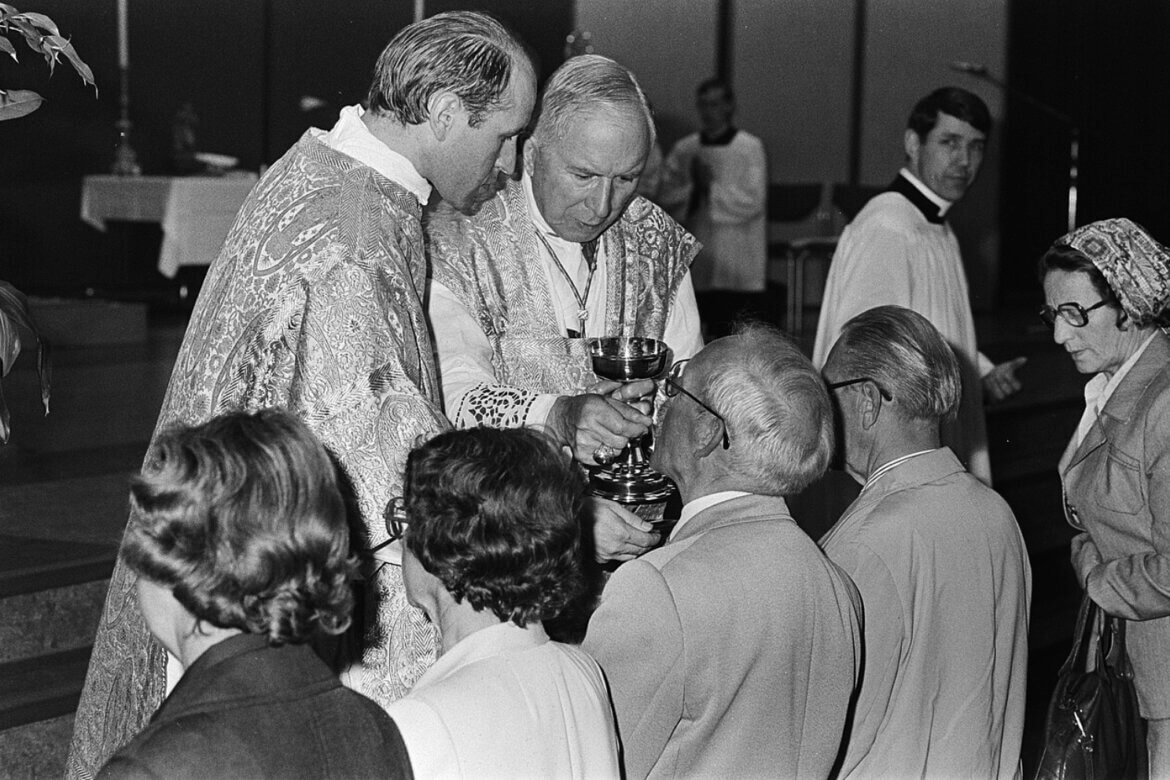
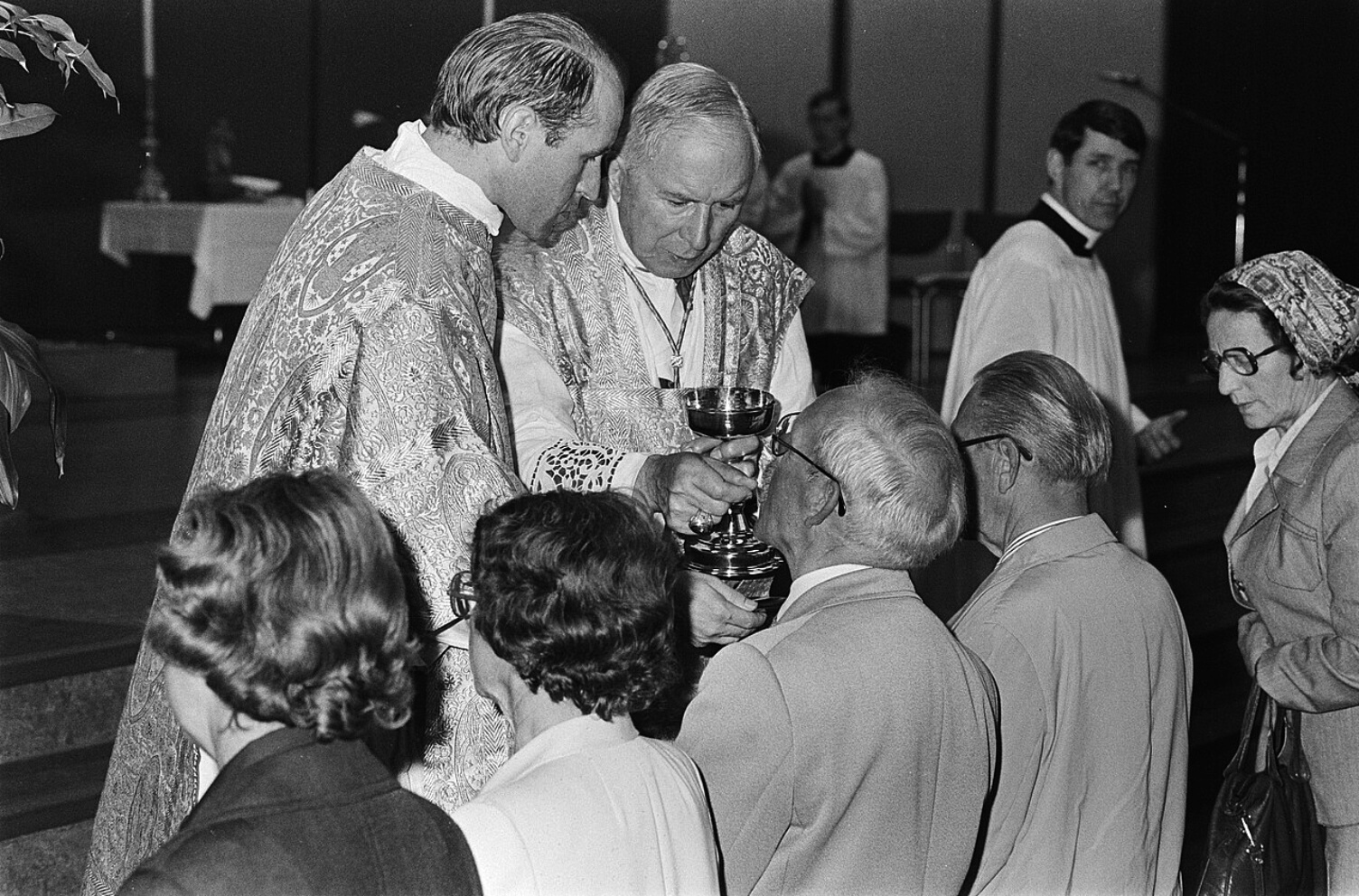
What does the Latin Mass represent? Prior to the modernization reforms of Vatican II, the Mass was the weekly – and during Lent the daily – exercise of faith. It was an occasion and it was observed in one’s best clothing.
Related to the Latin Mass are the sacraments, ritualized and mostly spoken in Latin. The sacraments marked the transitions of lives: baptism, first holy communion, confirmation, marriage, and extreme unction. It was through the church that congregants were “hatched, matched, and dispatched”.
The church also marked the seasons: Christmas comes at the darkest time and it was lit up by the birth of Jesus. The desolation of winter, followed by the fecundity of spring, was echoed at Easter in the crucifixion and the resurrection.
It was during Mass and the sacraments that people participated in community. Those rituals were the routine that brought the community together. Unlike today, there was no need to “build community”. Everyone belonged and was comforted. The Church’s traditions gave us leadership, a sense of order, and predictability. The church strengthened families.
It gave everyone the confidence of participating in a true faith. The catechism and the clergy helped everyone to sort out right from wrong. It was a coherent worldview; not surprising that some did not feel a need for reform and why Vatican II might have not been welcomed by everyone.
What about synodality? According to the late Bishop De Roo, “In the scriptures and early literature of the church, we find that, when some crisis or major problem arose, the leaders of the church gathered in what today we would call a synod—a more limited form of a council.”
The use of synods had been brought back by Vatican II was recommended “in all sorts of church gatherings.” In an ideal synod, everyone is actively participating, is open to a process of spiritual discernment, and is guided by the Holy Spirit.
But what happens in a synod when it is not ideal? Anyone who has attended a municipal town hall meeting knows that participatory democracy is messy, inefficient, slow, and easily dominated by a few and is an unpredictable adjunct to governance.
Every aspect of the synod process is fraught. Who to invite? Will they be representative voices? Of those invited, who will attend? Who will remain? Who will act in good faith, for the good of the community? Might ecumenism or even universalism creep in? Can participants ever fully appreciate the complexity of a given crisis? Can they take a long-term view? Will the recommendations be sufficiently clear and specific? Will the synod’s recommendations be implementated? In a timely manner?
Ultimately the administration of the parish or the diocese may be tempted to ask itself whether the messy and inefficient process of the synod could have been avoided by taking their own counsel.
Let’s discuss. These considerations are surely not insurmountable. Good people everywhere are thirsting for answers to their daily challenges as well as to the big questions of their lives. Let’s aspire to find a way to support each other and to avoid becoming divided.
A Reflective Essay by George Klima, Victoria, BC